Understanding AI Image Generators in 2026
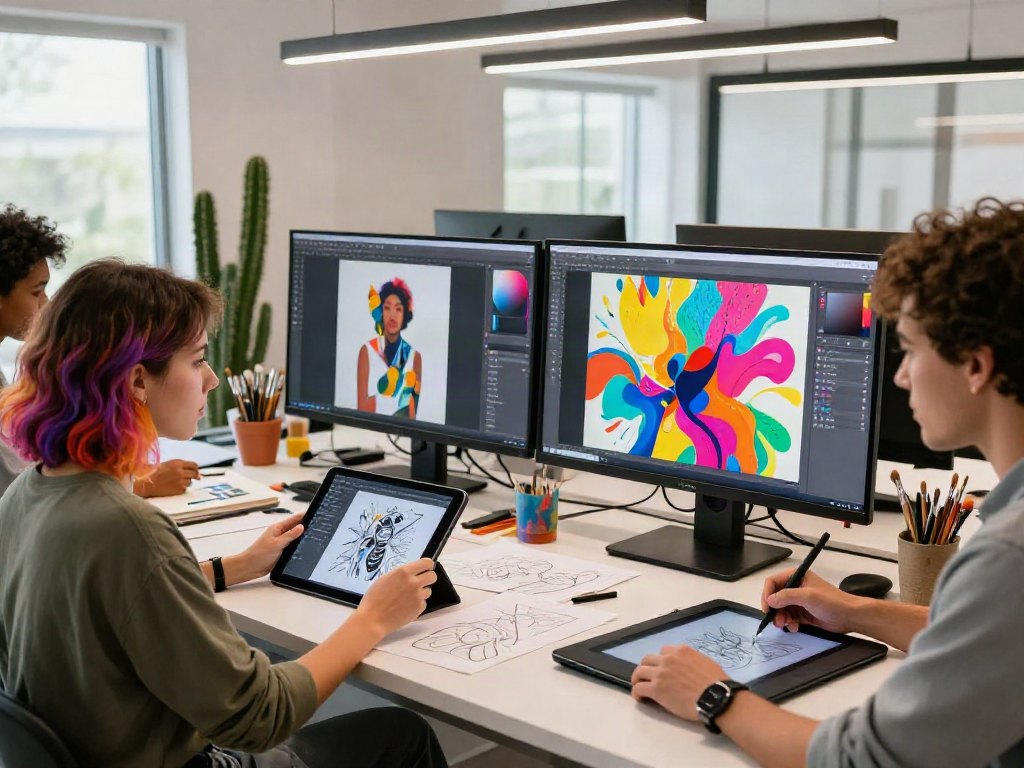
As technology continues to evolve, the landscape of digital imaging is undergoing a profound transformation. In 2026, AI image generators have become indispensable tools for artistic expression, providing a plethora of possibilities for both amateur and professional creators. These systems harness the power of artificial intelligence, enabling users to generate high-quality images from various input formats. By utilizing advanced algorithms, these tools can create compelling visuals, transforming the creative process and redefining the boundaries of visual art.
When exploring options, ai image generator from image provides comprehensive insights into the capabilities of these tools. Let's dive deeper into what they are and how they function.
What is an AI Image Generator from Image?
An AI image generator from image employs sophisticated machine learning techniques to produce graphics based on various input images or parameters. By analyzing and interpreting existing visuals, these systems can recreate or enhance images, allowing for infinite creative outcomes. Users can input photographs, sketches, or abstract designs, which the AI then processes to generate new imagery that retains essential elements of the source while introducing innovative features.
The versatility of these generators makes them suitable for a range of applications, from concept art in video games to social media content creation. As AI technology advances, the accuracy and quality of these generated images continue to improve, offering users an array of artistic tools at their fingertips.
Key Features of Modern AI Image Generators
- Intuitive Interface: Many AI image generators come equipped with user-friendly interfaces, making it easy for creators of all skill levels to navigate the software.
- Customization Options: Users can adjust various parameters to influence the output style, color palette, and composition, allowing for a tailored creative process.
- Real-time Generation: Some advanced tools provide real-time previews, enabling users to see immediate results as they refine their inputs.
- Exporting Capabilities: Generated images can often be exported in multiple formats, providing flexibility for different platforms and uses.
Benefits of Using AI Image Generators for Artists
For artists, AI image generators present numerous benefits that enhance their creative workflows and broaden their artistic horizons. These tools can serve as inspirational catalysts, assisting in brainstorming sessions or providing a foundation for more detailed work. Additionally, AI-generated imagery can save significant time, allowing artists to focus on refining their concepts rather than starting from scratch.
The accessibility of these tools democratizes art creation, enabling those without extensive training to produce compelling visuals. Moreover, AI image generators often encourage experimentation, leading users to explore styles and techniques they might not have considered otherwise.
Comparing User-Friendly Tools and Professional Software
Overview of User-Friendly AI Tools
User-friendly AI image generators prioritize ease of use, making them ideal for beginners or casual users. These tools generally include simplified interfaces and guided prompts to assist individuals in navigating the complexities of image creation. Popular options often come with built-in libraries of styles and templates, allowing users to produce images quickly without extensive technical knowledge.
They typically focus on delivering visually appealing results with minimal input, catering to social media influencers, marketers, and hobbyists who require high-quality images without delving deeply into the technical aspects of design.
Key Features of Professional Software Options
In contrast, professional-grade AI image generators provide advanced features tailored for skilled users and industry professionals. These software options often include:
- Advanced Customization: Users can fine-tune numerous parameters, such as depth, detail, and artistic style.
- Layer Management: Similar to traditional graphic design programs, these tools allow users to work in layers, offering greater control over the final output.
- Collaboration Tools: Many professional applications enable team collaboration, allowing multiple users to work on a project simultaneously, streamline workflows, and share feedback effectively.
Real-World Applications for Different User Needs
Different user groups benefit from AI image generators in distinct ways. For example, graphic designers might use professional software to create intricate designs for branding, while social media marketers could opt for user-friendly tools to generate engaging visuals for campaigns. In the gaming industry, developers utilize these generators to produce concept art and environments, speeding up the design process and allowing for rapid prototyping.
With the diverse functionality of AI image generators, industries such as advertising, film, and education also integrate these tools into their practices, highlighting their widespread applicability across creative fields.
Choosing the Right AI Image Generator for You
Factors to Consider in Your Selection
When selecting an AI image generator, it's crucial to consider various factors, including:
- Your Skill Level: Beginners may prefer tools with intuitive interfaces, while experienced users might seek advanced customization options.
- Specific Needs: Identify whether you require the tool for professional projects or casual use, as this will influence your choice.
- Budget: Assess the cost of software, as some tools offer subscription models, while others may require one-time purchases.
Common Misconceptions about AI Image Generators
Despite their growing popularity, several misconceptions persist about AI image generators. One common belief is that these tools can entirely replace human creativity. While AI can generate impressive visuals, the value of human input and artistic intuition remains irreplaceable. Furthermore, another misconception is that AI-generated images lack originality; however, many tools allow for significant user input, resulting in unique creations tailored to individual preferences.
Expert Tips for Maximizing Your AI Image Output
To optimize your experience with AI image generators, consider implementing the following tips:
- Experiment Freely: Embrace trial and error to discover unexpected styles and outputs.
- Stay Updated: Keep track of software updates and community resources to enhance your understanding and utilization of the tool.
- Study Art Fundamentals: A strong grasp of design principles can significantly improve the quality of your generated images.
Best Practices for Using AI Image Generators
Step-by-Step Guide for Beginners
For those just starting with AI image generation, following a structured approach can ease the learning curve:
- Choose the Right Tool: Start with a user-friendly AI image generator that meets your needs.
- Explore Tutorials: Utilize available resources, such as video tutorials or user guides, to familiarize yourself with the software's features.
- Input Your Image: Begin by uploading a source image or choosing a template to work from.
- Adjust Parameters: Experiment with settings to see how they affect the output.
- Export and Share: Once satisfied with your creation, export it in the desired format and share it with your audience.
Advanced Techniques for Professional Use
Professionals can leverage advanced techniques to enhance their outputs:
- Layering: Use layers to maintain control over different elements of your image, allowing for complex compositions.
- Blending Modes: Experiment with blending modes to achieve unique visual effects.
- Feedback Loops: Create iterative designs by incorporating feedback from peers or clients into the generation process.
Measuring Success with AI Image Generators
To assess the effectiveness of your AI image generation efforts, consider measuring:
- Engagement Metrics: If using images for online content, track likes, shares, and comments to gauge audience interest.
- Project Turnaround Time: Measure the time saved by utilizing AI tools compared to traditional methods.
- Quality of Final Products: Solicit feedback from your audience or clients to determine how well the AI-generated images meet their expectations.
Future Trends in AI Image Generation
Emerging Technologies to Watch for in 2026
The future of AI image generation holds exciting possibilities, with several emerging technologies expected to reshape the industry further:
- Enhanced Neural Networks: As AI research progresses, the architectures of neural networks will become increasingly sophisticated, leading to higher quality outputs.
- Augmented Reality Integration: The fusion of AI image generators with AR technologies could revolutionize how users interact with visuals.
- Automated Style Transfer: Improved algorithms will facilitate seamless style transfers, enabling users to apply artistic styles to original images effortlessly.
Predicted Changes in User Experience
As AI image generators evolve, user experiences will likely become more personalized and intuitive. Enhanced algorithms will allow for greater customization and adaptability to individual user preferences, fostering a more engaging creative process. Predictive features may also be introduced, offering suggestions based on previous creations and user behavior.
Industry Insights from Leading Experts
Leading experts in the field of AI and digital art emphasize the importance of collaboration between humans and machines in the creative process. While AI image generators provide powerful tools for creation, the human touch remains vital in guiding artistic direction and interpretation. Continuous dialogue between technologists and artists is expected to drive innovation, ensuring that AI image generation aligns with creative aspirations.
What industries can benefit from AI image generators?
AI image generators are beneficial across various sectors, including:
- Advertising: Creation of compelling visuals for campaigns.
- Entertainment: Generation of concept art and promotional materials.
- Education: Visual aids for enhanced learning experiences.
- Healthcare: Development of illustrations for medical training and patient education.
How can beginners get started with AI image generation?
Beginners can start by selecting a user-friendly AI image generator, exploring tutorials, and gradually experimenting with inputs and settings. Engaging with online communities can also provide valuable tips and feedback.
What are the most common challenges faced by users?
Common challenges include managing expectations regarding the output quality, understanding the learning curve associated with software, and navigating technical requirements. Users may also struggle with effectively utilizing customization features to align with their artistic vision.
Are there ethical considerations with AI-generated images?
Yes, ethical considerations surrounding copyright, originality, and the potential for misuse of AI-generated content are paramount. Creators must be mindful of the source material used in generating images and ensure that their work adheres to both legal and ethical standards.
What innovations are expected in AI image technology?
Future innovations may include increased interactivity in image generation, integration with more sophisticated AI models for improved realism, and advancements in accessibility features for users with varying abilities. Continued collaboration between artists and technologists will also pave the way for innovative applications that push the boundaries of creativity.